On the Ori-gene of Species: Meet Allegra

By Charuni Pathmeswaran

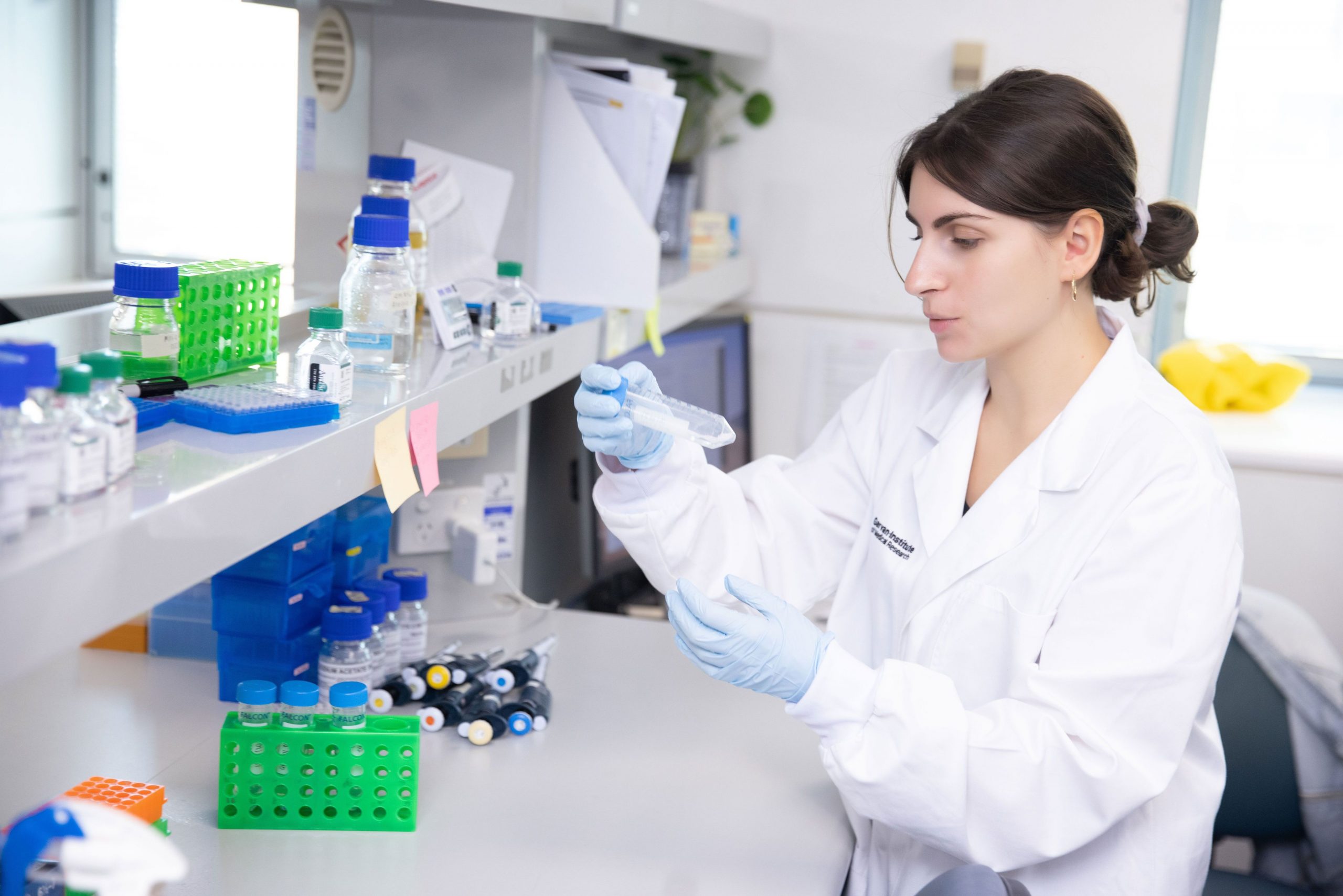
Allegra Angeloni is pursuing a PhD in epigenetics at the Garvan Institute of Medical Research affiliated with UNSW. Prior to that she did her Bachelor of Advanced Science and majored in genetics and microbiology at UNSW and did her Honours also at the Garvan Institute. She is one of the UNSW Women in Science and Maths Champions Blog editors and was one of the finalists at the 2021 UNSW Three Minute Thesis (3MT) competition.

Can you briefly explain your current research?

I’m interested in epigenetics, which is very broadly defined as the study of chemical and structural modifications to DNA that impact the way genes are expressed without modifying the DNA sequence itself. Alterations to our epigenetics can result in diseases such as cancer, so it’s important that we understand how it functions. To do this, I research epigenetics in animals that are distantly related to humans, to identify strategies that have been retained through millions of years of evolution. This will help us gain insight into the fundamental mechanisms that control how our genes are expressed.

What excites you most about your work? 

I enjoy studying gene regulation from an evolutionary standpoint, which I think is unique. I also like working with DNA from animals that are not as well studied. There is a lot we can learn about how our genes are regulated from weird and wonderful critters such as sponges, oysters, and sea anemones.
What do you find most challenging about your work and how do you tackle that?

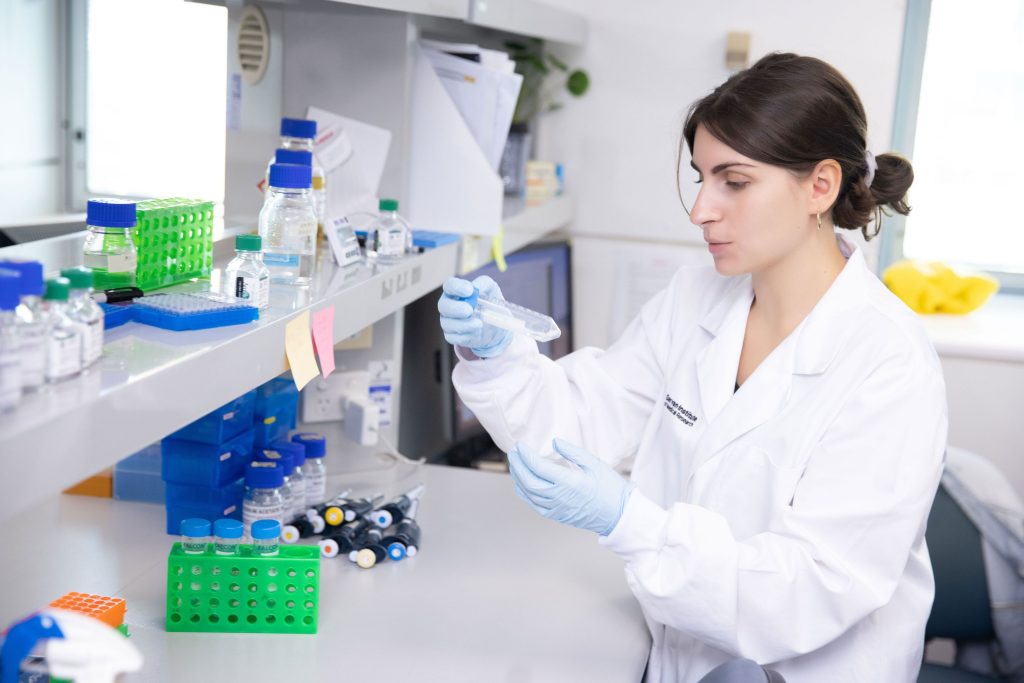
At the beginning of my PhD, I found it difficult to wrap my head around bioinformatics, which is basically utilising computational strategies to answer biological questions. I don’t have much of a background in computer science, so it was a challenge to navigate initially. However, over the past few years, I’ve found myself quite enjoying using bioinformatics in my research. The excitement of obtaining biologically interesting results is what drives me.

What are your interests outside of science?

I have a book club with friends. We vote on a book each month and meet at the end of the month to discuss it. Through this book club, I’ve read genres that I wouldn’t normally, and I really love hearing diverse perspectives and opinions. Prior to lockdown, I was playing social soccer. I’m definitely not the best soccer player, but it’s nice to get my energy out after a long day in the lab and know that it doesn’t really matter how I play – it’s just about having fun. I’m also an enthusiastic baker. I love cooking (and eating) sweets.

Tell us about your recent 3MT experience

I found preparing for the UNSW Science One-Minute Thesis (1MT) quite challenging. I rehearsed it multiple times with friends and family from non-science backgrounds until they finally understood it. I was fortunate enough to win a prize at the UNSW Science Postgraduate Showcase and qualify for the UNSW Interfaculty 3MT competition. It was a really useful experience for me. Now, if I meet someone who asks about my research, I’ve got a three-minute speech ready to go!

What would you like to see change in the future for women in STEM?

I would like to see more women represented in senior positions. One barrier that many women face is the burden of unpaid domestic labour, in which they take on a disproportionate amount of childcare and household chores. It is no secret that academia is a high-pressure work environment, so it can be quite challenging to juggle a personal and professional life.  I believe universities and institutes need to make a concerted effort to ensure that women (and men) are properly supported in their scientific careers.

Words of advice that you’d like to give to young women who are interested in pursuing a career in STEM?

It’s important to challenge yourself and to be okay with not succeeding at everything. I used to be nervous about trying something new because I was worried I wouldn’t be immediately good at it. However, I’ve come to realize that it’s one of the most effective ways to learn and grow as a scientist. If you try something and you don’t do it well, that’s perfectly fine and normal. You’ll likely find yourself surprised at what you do and don’t enjoy.

Follow Allegra on Twitter to learn more about the exciting science she does 🙂
A chemist with a passion for scicomm: Meet Sam

By Charuni Pathmeswaran

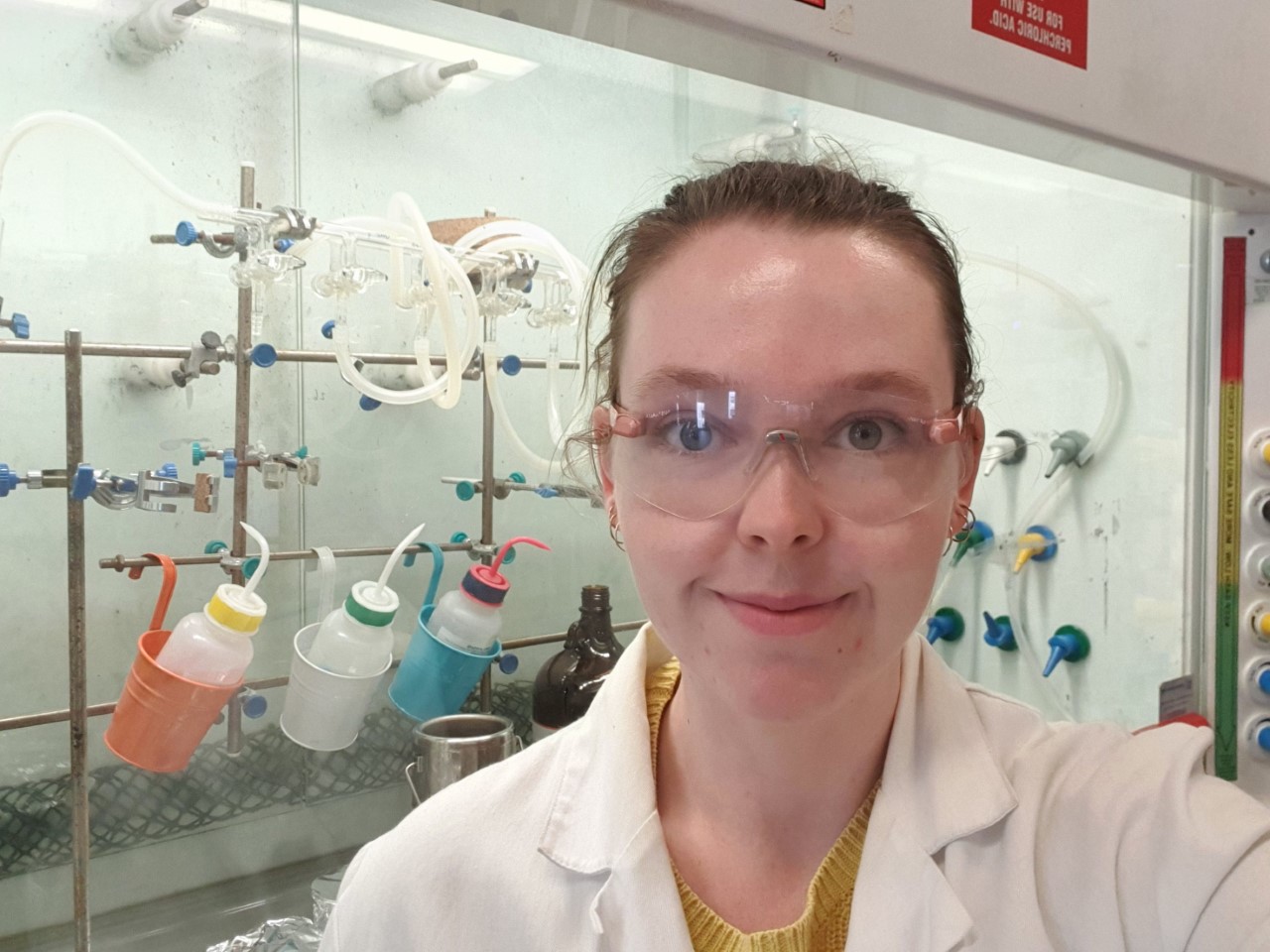
Sam is a chemist with a special interest in drug development. She is also a teaching fellow in chemistry with a passion for science communication. When not doing her PhD, Sam enjoys learning about behavioural science of animals, which helps her understand her puppy better ?

Can you briefly explain your current research?

I look at peptides, which are strings of amino acids. They are good drug candidates as they occur naturally, and they’re simpler forms of proteins which are a key to a lot of interactions that cause diseases. My unique application is to see how we can manipulate certain drug-like peptides by using fluorine, to see if we can make them into new drugs.

A day in the life of Sam

What drew you to this field?

In high school, my favourite subjects were maths and sciences. When I started my undergrad, I wanted to do more chemistry and physics. I was so intrigued to learn the fundamental mechanics that go on with atoms. Once you see how science works and how it’s underpinning so much in your world, it’s hard to stop seeing it that way. I’ve always wanted to make an impact. That’s how the medicine side came into the picture for me.

What excites you most about your work? 

I like furthering the science of my little project. I also like challenging myself with new skills. My honours research was on pharmacology which is much more cell-based and drug testing based. My PhD is in chemistry which is more on synthesis. Building new skills helps me change the way I view things.

What do you find most challenging about the work you do and how do you tackle it? 

Research, in general, can be monotonous at times. I try to slot in a few energizing tasks between the repetitive tasks, and I find this to be quite helpful.

What does a typical day look like for you? 

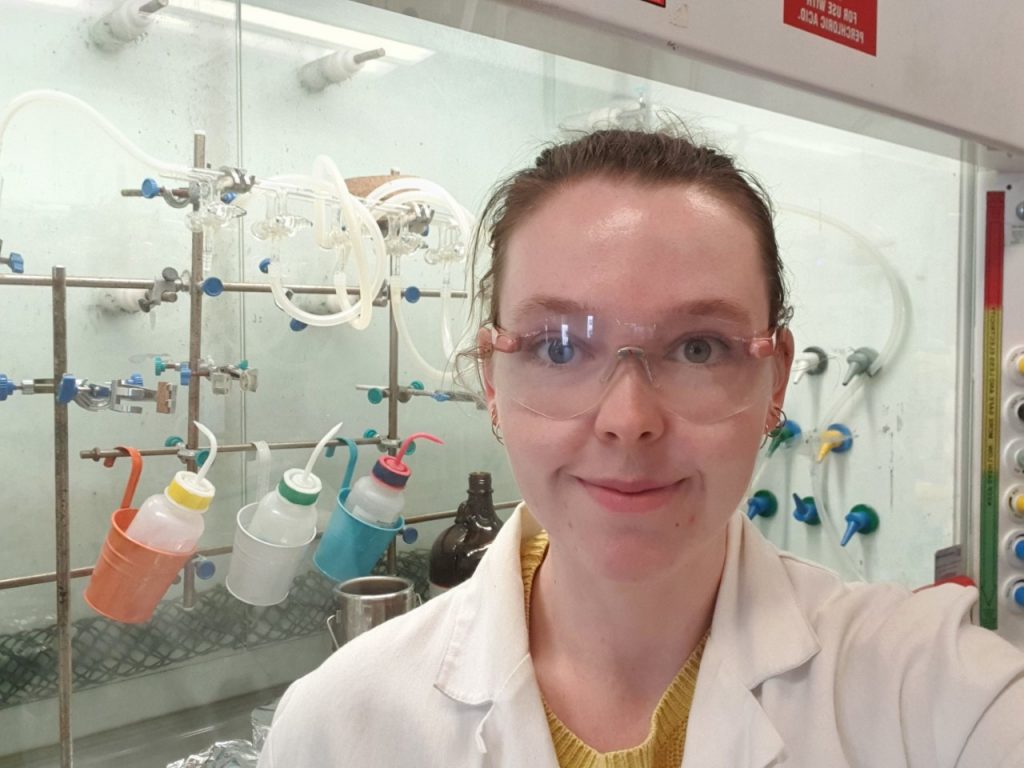
I work in a synthetic lab. There’s a fume cupboard in which we leave all the hazardous chemicals. You have a bench where you have your lab book. I try to do one experiment a day. I come in the morning and purify the compound and then set up my experiment in the afternoon.

What are your interests outside of science?

I spend most of my free time walking or playing with my puppy. I also like training her. I’ve been listening to podcasts that discuss the behavioral science of animals and I find it so interesting. I also enjoy going on bush walks and cooking.

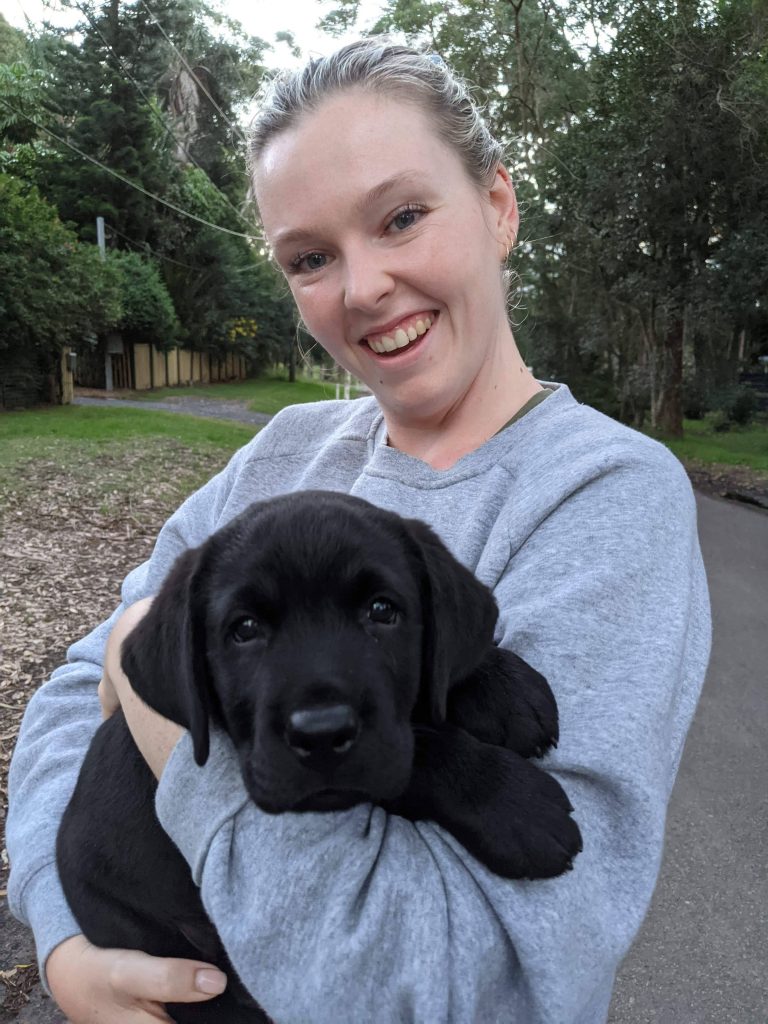
Sam cuddling her Labrador puppy Cleo <3

Words of advice for young women interested in pursuing a career in STEM? 

Don’t be narrow-minded in how science is going to work for you. You don’t have to end up working in a lab to be defined as a woman in STEM. You can work for a science-based company. Or even for a non-science-based company and apply the rational thinking that scientists do. Try and find someone whom you can aspire to be like. Use them to prove to yourself that you can be a woman in STEM. If your interest doesn’t match up perfectly with an existing job position, it could be the perfect opportunity to fill that niche!

What are you most proud of in your career so far? 

I really like that during my undergrad and even in my PhD, I have had the opportunity to engage in other things such as teaching or professional development programmes. I’m proud that despite being a student for a long time, I’m also gaining different skills which will make me more employable.

What would you like to see change in the future for women in STEM? 

Women still aren’t given the opportunity to equally prioritize family and career. It’s still viewed as a dichotomy where you must pick either one or the other and if you try to do both, you are judged for it. That has to change. I would also like to see more women in higher-up positions.

Post-PhD plans?

Very flexible at the moment. I’m preparing my portfolio and developing a diverse set of skills from my PhD. At least for a while, I would like a break from my research. And luckily chemistry can be a practical skill. My options and interests include working in quality assurance, or in drug therapy. I would also love to be a science communicator.

WFH tips?

I’m still working on my WFH productivity. I struggle with distractions when I’m at home. I’m overzealous about recording what I do. It helps me take stock of whether I was productive on a given day. I start the day with a to-do list, consisting of tasks of different priorities. I also find it useful to break up big tasks into smaller, manageable tasks.

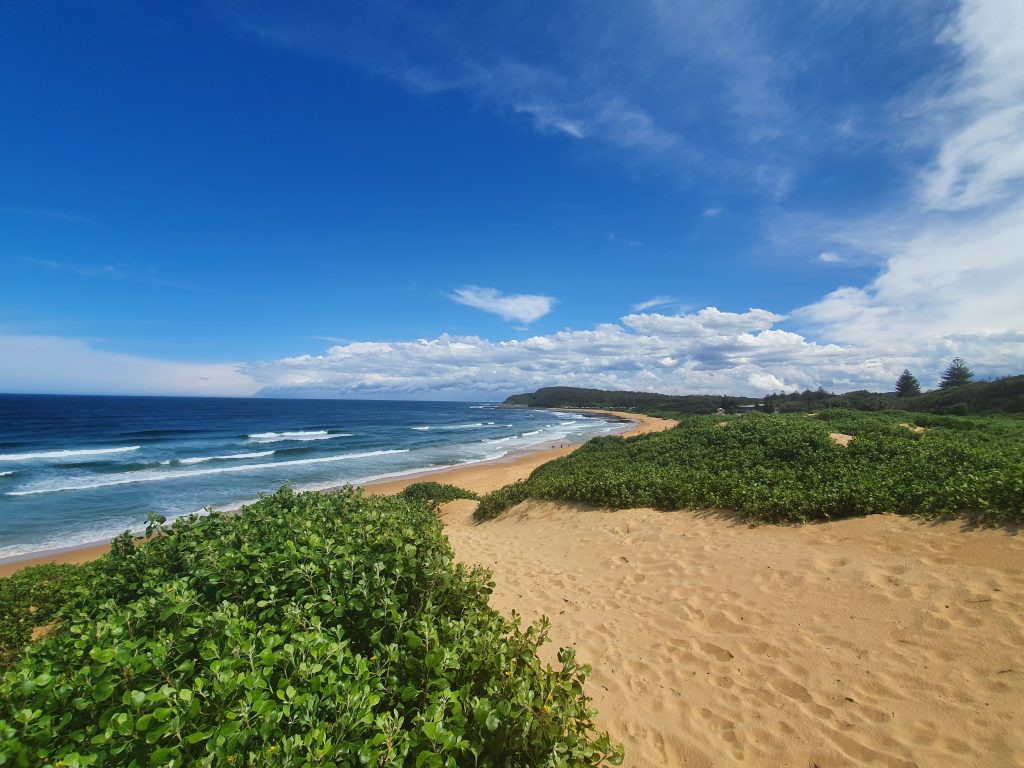
A glimpse from one of Sam’s lockdown walks in Central Coast (Shelley Beach)

Follow Sam on Twitter